
- Duration
- 1-on-1 Consultation & Structural Evaluation
- Frequency
- Treatment frequency is determined by objective MRI findings, disc extrusion severity, nerve compression signs, and physical functional goals.
- Equipment
- Please bring: MRI or X-ray CDs/reports (if available), comfortable flexible clothing, current medication list, symptom timeline, and LOP/claim info (if accident-related).
- 1.1. Specialist Neuromusculoskeletal ExamOur clinic director conducts a hands-on biomechanical exam to correlate your MRI findings with orthopedic testing, identifying exact disc vector compressions.
- 2.2. Vector-Specific Cox DecompressionYour treatment is administered directly by a specialist doctor using certified Cox Flexion-Distraction or axial decompression, reducing intradiscal pressure down to -192 mmHg.
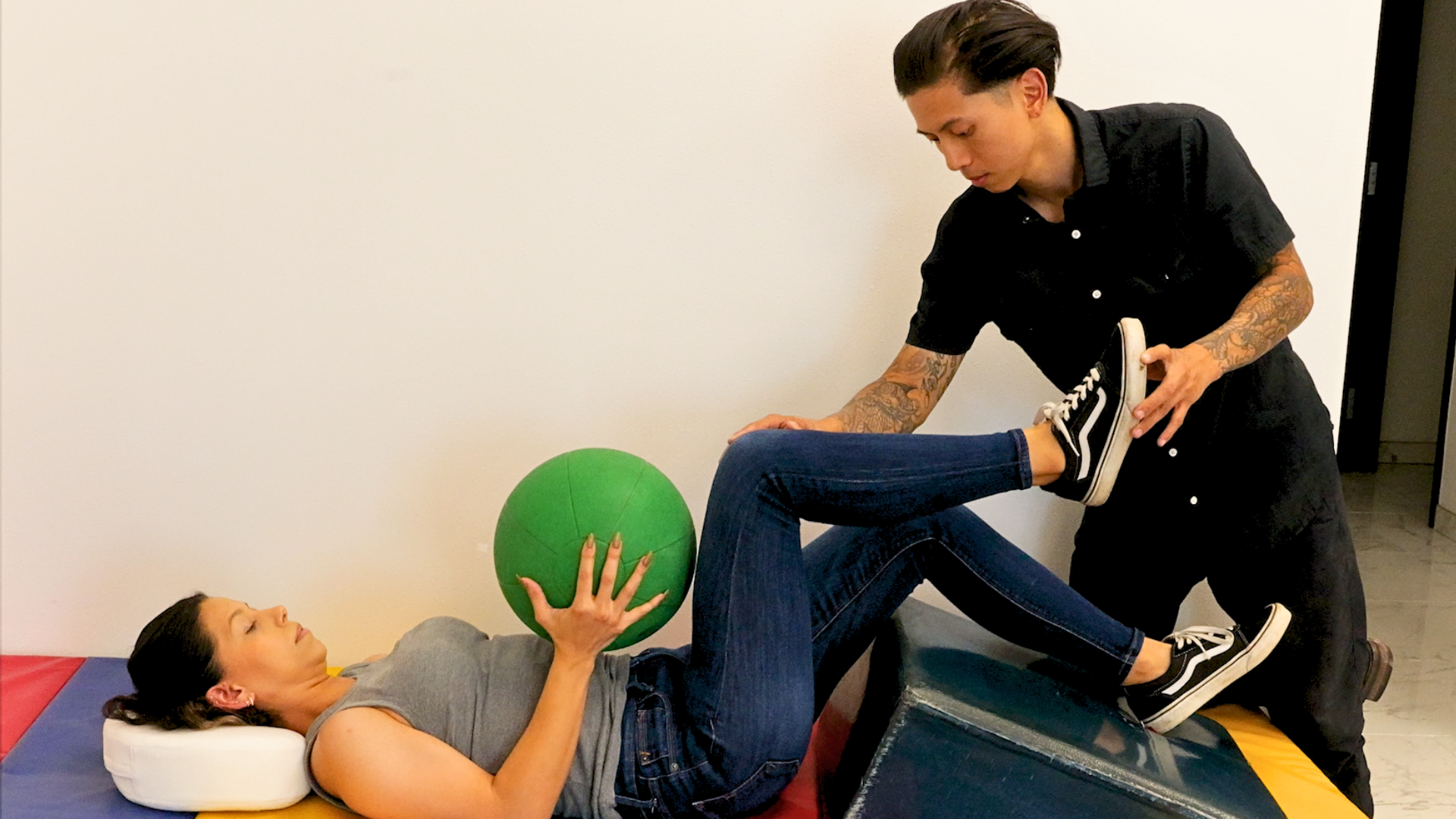
- 3.3. Immediate Integrated Physical TherapyWhile your spinal canal space is decompressed and nerve pressure is relieved, our clinical team guides you through immediate core stabilization exercises.
- 4.4. Neuromuscular Retraining & Progress TrackingWe track objective functional gains, reduction in peripheral nerve tension, and core stabilization progress so your spine stays supported during daily life.

← Back to Injury Resource Center
South Texas Accident & Injury is home to the only Cox Chiropractic Specialist south of Dallas and Houston.
Experience how we integrate Cox Spinal Decompression & Physical Therapy in Alamo, TX.
Call (956) 591-8589 To ScheduleEducational Disclaimer: This publication is for general health education purposes only and does not constitute formal medical advice, diagnosis, or guaranteed treatment outcomes. Individual results vary. A clinical examination is required to determine eligibility for Cox spinal decompression care.
The RGV Care Disparity: General Clinics vs. Specialist-Led Care
If you are dealing with a herniated disc, severe sciatica, neck pain, or numbness shooting down your arm or leg, you may have already visited other clinics in McAllen, Edinburg, or Pharr.
Regrettably, most regional clinics operate as "assembly lines." You pay for an expert's opinion, but your actual treatment is handed off to low-tier technicians, assistants, or uncertified clinic staff who push buttons on a machine while rushing between ten patients at once.
At South Texas Accident & Injury (located at 505 W Business Hwy 83 Ste 7 in Alamo, TX), we do things fundamentally differently:
"We believe every condition is too complex for an underqualified assistant to manage."
The Physics of The Disc Pressure Problem
When back or leg pain never goes away, the true underlying cause is almost always structural mechanical pressure on irritated spinal nerve roots.
Your intervertebral discs act as hydraulic shock absorbers between the vertebrae. As clinical anatomists like Dr. Nikolai Bogduk established, when excessive trauma (such as a car accident, workplace lifting injury, or years of repetitive strain) weakens the outer disc wall (annulus fibrosus), the soft interior gel (nucleus pulposus) bulges outward.
Pioneers in orthopedic medicine like Dr. James Cyriax and physical therapy legend Robin McKenzie (MDT) demonstrated that when disc material physically crowds the spinal canal, it pinches the nerve root where it exits the spine.
This mechanical impingement creates:
- Sciatica: Sharp, burning, or electric shock pain radiating into the glute, thigh, calf, or foot.
- Cervical Radiculopathy: Severe neck pain radiating into the shoulder blade, arm, or hand.
- Neurological Deficits: Persistent numbness, tingling, or muscle weakness during daily walking or driving.
Why Cox Spinal Decompression Works When Other Treatments Fail
Generic traction tables pull the entire spine indiscriminately, causing surrounding back muscles to spasm in self-defense.
Our clinic specializes in Cox Flexion-Distraction Spinal Decompression — an evidence-based, doctor-controlled protocol developed and researched extensively over five decades by chiropractic pioneer Dr. James M. Cox.
Building on the landmark spinal neurology and biomechanics research of world-renowned chiropractic authorities like Dr. Scott Haldeman and spinal force researcher Dr. John J. Triano, Cox Decompression applies doctor-guided, vector-specific distraction directly to the targeted injured spinal segment:
- Creates Negative Intradiscal Pressure: Drops pressure inside the disc space down to negative values (as low as -192 mmHg).
- Promotes Mechanical Vacuum Effect: Pulls the bulging or herniated disc material back toward the center of the disc, away from the compressed nerve root.
- Widens the Spinal Canal: Increases intervertebral disc height and expands the nerve exit canal space by up to 28%.
- Restores Disc Fluid Hydration: Draws nutrient-rich fluids, oxygen, and blood flow back into the disc to stimulate cellular healing.
The Science of Integrated Care: Decompression + Immediate Physical Therapy
Decompressing the disc and un-pinching the nerve root is only Step 1.
That is why our doctor-guided protocol integrates targeted Physical Therapy immediately after decompression in the same visit:
- While your disc space is expanded and nerve pressure is relieved, you step directly into our physical therapy bay.
- Our clinical team guides you through core stabilization and neuromuscular re-education exercises.
Evaluate Your Candidate Status for Non-Surgical Decompression
Before committing to daily pain medications that damage your liver and kidneys, or risking invasive spinal fusion surgery, determine if your disc space responds to non-surgical Cox decompression.
Direct Doctor Evaluation Line: Call (956) 591-8589
Who Is a Candidate for Our Cox Decompression Protocol?
A decompression evaluation at our Alamo facility is recommended if you suffer from:
- Bulging, herniated, or extruded lumbar or cervical discs
- Sciatica or radiating arm/leg pain that has failed traditional therapy
- Degenerative disc disease or loss of intervertebral disc height
- Spinal stenosis (narrowing around the spinal nerve outlet)
- Facet syndrome and chronic post-car accident whiplash
- Recurrent back or neck stiffness that returns weeks after routine adjustments
Serving Patients Across the Rio Grande Valley
South Texas Accident & Injury provides Cox decompression and physical therapy for patients across all RGV communities:
Alamo • McAllen • Pharr • San Juan • Edinburg • Mission • Weslaco • Donna
Conveniently located at 505 W Business Hwy 83 Ste 7, Alamo, TX 78516, our modern facility provides easy highway access, ample parking, and direct 1-on-1 doctor care.
Frequently Asked Questions
What makes your spinal decompression different from other clinics in the RGV?
Two major factors: 1) Specialist Care: We never hand your treatment off to technicians, assistants, or uncertified staff. Your exam, Cox decompression, and progress tracking are managed directly by a specialist. 2) Integrated Physical Therapy: We combine Cox decompression with immediate core physical therapy in the same visit so your body learns to hold the alignment.
Is Cox spinal decompression painful?
No. Cox Flexion-Distraction decompression is a gentle and rhythmically controlled procedure. Most patients experience immediate relief during the session as mechanical pressure is removed from the compressed nerve root.
Do you accept car accident (LOP) and Workers' Compensation cases for decompression?
Yes. We work closely with personal injury attorneys under Letters of Protection (LOPs / Attorney Liens) for auto accident victims, as well as Texas Workers' Compensation and Non-Subscriber work injury claims ($0 out-of-pocket costs at time of service).
How do I know if my disc injury requires surgery or decompression?
During your initial consultation, our doctor performs a directional tolerance exam and reviews your MRI scans. If your symptoms centralize (move out of the leg/arm and back toward the spine) during controlled mechanical unloading, you are typically an excellent candidate for non-surgical decompression.
- Cox Technic — Biomechanical Description of Flexion-Distraction & Spinal Decompression
- PubMed — Effects of Vertebral Axial Decompression on Intradiscal Pressure
- PubMed — The Lumbar Disc and Low Back Pain (Dr. Nikolai Bogduk)
- The Spine Journal — Biomechanics of Spinal Manipulative Therapy (Dr. John J. Triano)
- World Spine Care — Spinal Manipulation for Low-Back Pain (Dr. Scott Haldeman)
- NIH / NCBI — Mechanical Diagnosis and Therapy & Sciatica Management (Robin McKenzie MDT)
- Cleveland Clinic — Herniated Disc Pathophysiology & Non-Surgical Management (Dr. James Cyriax Principles)
- Mayo Clinic — Sciatica Symptoms, Diagnosis & Non-Invasive Triage
- South Texas Accident & Injury — Alamo Location & Direct Appointment Line


